
National Asphalte handles the excavation in Laval, on the North Shore and in Montreal, and prepares the ground under your driveway or parking lot.
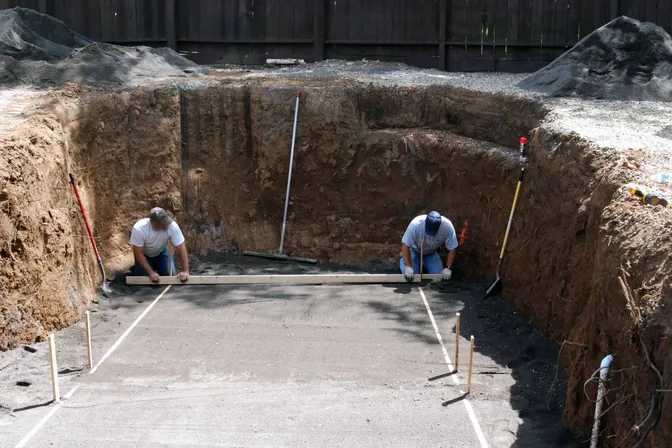
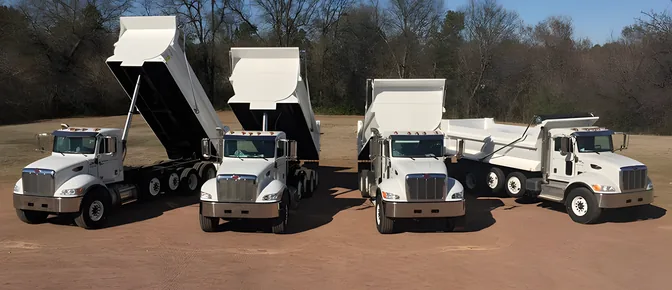
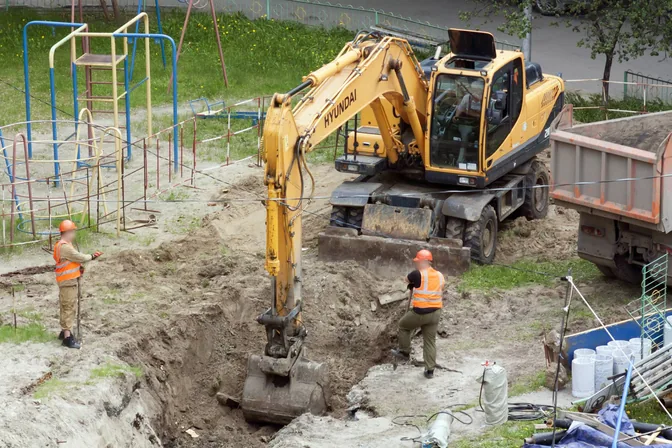
The excavator digs down to firm ground, and the truck hauls the soil away.
Then we grade the bottom with a slope that sends water away.
Finally, we lay the crushed stone base that will carry the asphalt or interlocking pavers.
Why the ground moves under a driveway
Under a driveway, the ground moves with the seasons. Topsoil settles over time, and roots rot and leave empty pockets. Water trapped in the soil freezes in winter and lifts the surface. When it thaws, the surface cracks and dips appear. Excavation removes this weak soil and makes room for a stone base that carries the load and doesn’t hold water.
See preparing the ground under a driveway
How an excavation goes at your home
- We come and look at the property. We check how the machines can get in and where the water goes.
- We open the ground. We remove worn asphalt or topsoil down to firm ground.
- We haul the soil away. The truck takes it off your property.
- We level the bottom. It gets the slope that sends water away from the house, then we compact it so it stays firm under the stone.
- We lay the stone base. Crushed stone, compacted layer by layer, carries the surface and doesn’t hold water the way soil does.
National Asphalte also excavates for inground pools and levels the bottom.
What each machine does
On the day of the work, these machines pull up in front of your home.
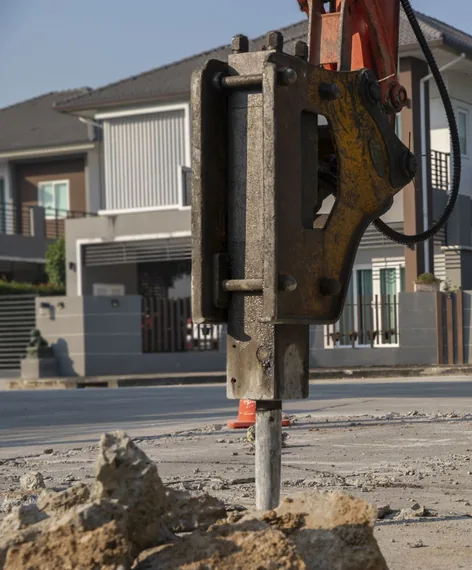
- The excavator’s hydraulic hammer breaks up the old concrete before we dig.
- The excavator digs and loads the soil into the truck.
- The dump truck leaves full of soil and comes back with the stone.
- The compactor goes back and forth over the bottom, then over the layers of stone.
For a home or a municipal project
National Asphalte does residential, commercial, industrial and municipal work.
- At home, we prepare the ground for an asphalt or interlocking paver driveway.
- For a business or an industrial site, the parking lot carries cars and trucks all day long. We prepare the excavation and the base for that weight.
- For a municipality, we follow the city’s plans and specifications.
A French drain installed by the people who dig
A French drain sits at the bottom of a trench that runs along the foundation of the house. We dig that trench ourselves. Then we lay the drain and fill in the trench. Basement window wells go into the same trench.
Give your lot the slope that sends water away
Grading shapes the ground so rain flows away from the house. Under a surface, it also leaves an even bottom, ready for the stone.
A wooded lot to open
Did you buy a lot in the woods, in the Laurentians or in Lanaudière? We open the lot: tree clearing, stump removal and a crushed stone access road.
What comes after the excavation
After the excavation, National Asphalte also lays the asphalt or the interlocking pavers. That’s why we dig to the right depth for that surface.